BauerCombs Landscape Architecture									 	 	 	 	 	 	 	 	 	 	 	      

  • HOME
  • ABOUT US
    • ABOUT
    • TEAM
    • PROCESS
    • TESTIMONIALS
    • FAQ >
      • BauerCombs Video Meetings
  • DESIGN GALLERY
  • GUIDES
    • Luxury Landscapes Defined
    • SEMINARS
  • GET STARTED
    • PHONE VISIT
    • CONSULTATION PACKAGE
  • BLOG
  • CONTACT
  • HOME
  • ABOUT US
    • ABOUT
    • TEAM
    • PROCESS
    • TESTIMONIALS
    • FAQ >
      • BauerCombs Video Meetings
  • DESIGN GALLERY
  • GUIDES
    • Luxury Landscapes Defined
    • SEMINARS
  • GET STARTED
    • PHONE VISIT
    • CONSULTATION PACKAGE
  • BLOG
  • CONTACT

Convert Your Garden to Attract Beneficial Bees

9/1/2015

 
Attract bees in my garden
I am excited to hear that bee keeping programs are being incorporated into our community’s correctional systems. That is fabulous!  These beekeeping re-entry programs are proving to be beneficial for both the bee population and for the inmates.  One inmate said “Everybody on the camp wants to get in on the bee club”.  

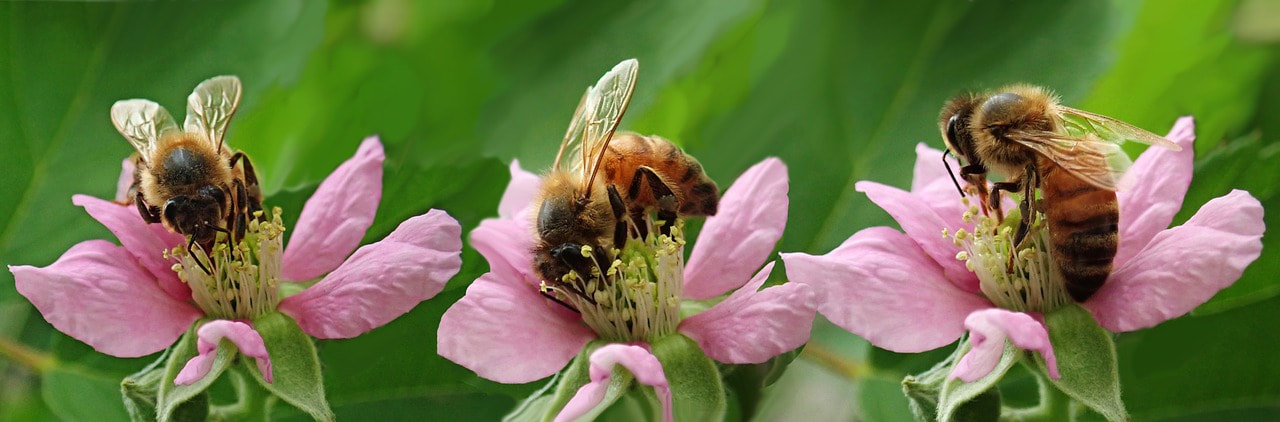
What can we do to help?  Collectively, if we could incorporate bee attracting plants into our personal landscapes, it may help boost our declining bee populations. 

It’s easy to convert your garden to attract bees.  One simple technique is to provide a combination of plants with purple, yellow or blue flowers (bees really like those colors).  
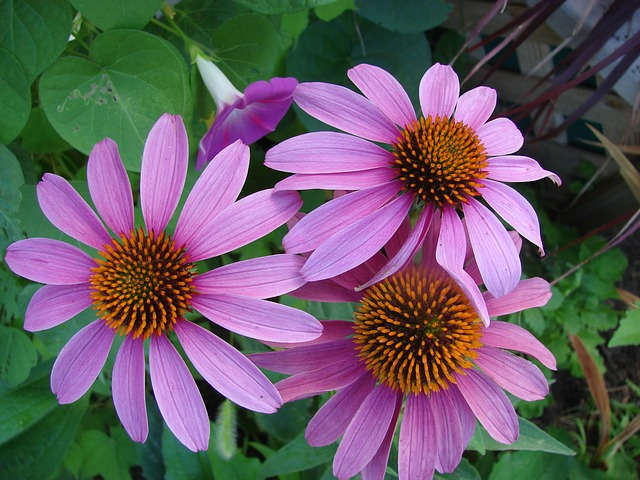
Purple coneflower
Coreopsis
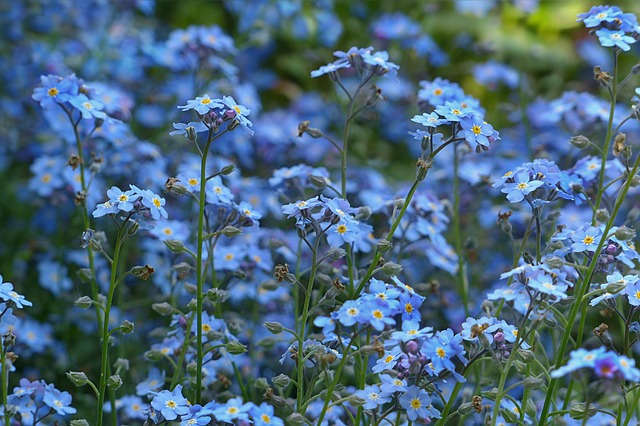
Forget-me-not
Here are a few more tips to follow:
  • Avoid using pesticides
  • Provide a fresh source of water
  • Combine plants that bloom throughout each growing season
  • Plant native wildflowers
  • Create wind breaks for easy hovering
 
​To get started, here are 7 easy-to-grow plants that bees love: 
  1. Echinacea purpurea – Purple coneflower.   Purple flowers in summer.  USDA zones 4 – 10.
  2. Rudbeckia hirta – Black eyed Susan.  Yellow flowers in summer.  USDA zones 2 – 11.
  3. Myosotis sylvatica – Forget-me-not.  Blue, pink or white flowers in mid spring through early summer.  USDA zones 4 – 9.
  4. Lavandula angustifolia – English lavender.  Fragrant lavender or purple flowers.  Early to mid summer blooms.  USDA zones 5 - 9. 
  5. Monarda didyma – Bee balm.  Blue, purple, pink or white flowers in mid through late summer.  USDA zones 4 – 9.
  6. Calluna vulgaris ‘Dainty Bess’ – Dainty Bess heather.  Mauve-purple flowers in late summer to fall.  USDA zones 4 - 6. 
  7. Coreopsis grandiflora – Common coreopsis.  Bright yellow flowers all summer.  USDA zones 4 – 9.
To view the USDA hardiness zone map go to http://planthardiness.ars.usda.gov/PHZMWeb/

Happy gardens, happy bees!  Author:  Susan Combs Bauer, Landscape Architect at BauerCombs & Associates, Inc.

Comments are closed.

    News & Tips

    BauerCombs News and Landscape Garden Design Tips with Susan.

    Author

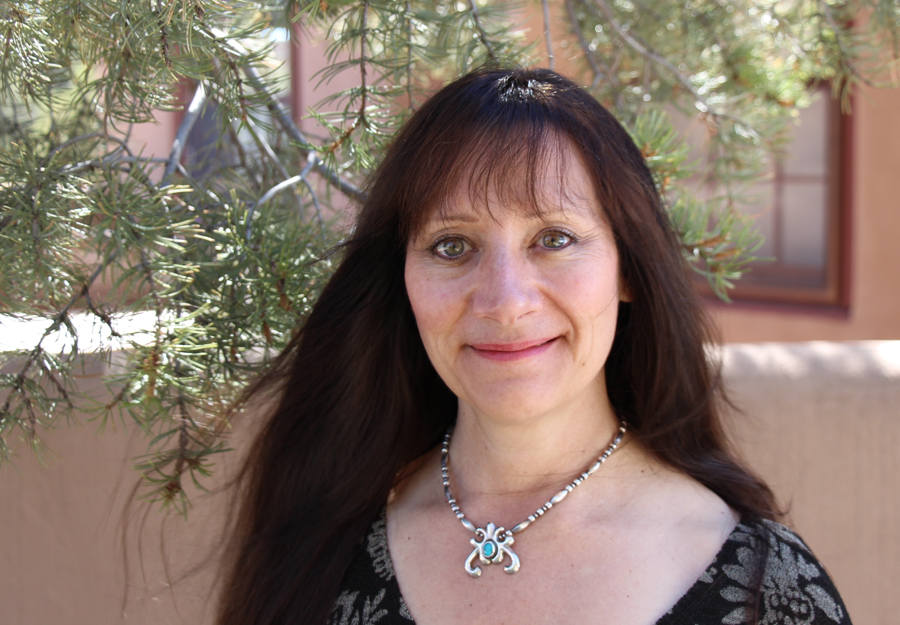
    Susan Combs Bauer, Landscape Architect www.bauercombs.com
    Picture
    Picture
    Picture
    Have a question?  Send us a note and say hello, we'd love to hear from you!

    RSS Feed

COMPANY
HOME
ABOUT
DESIGN GALLERY
GUIDES
GET STARTED
BLOG
CONTACT

PHONE & ADDRESS
(425) 496-7772
BauerCombs & Associates, Inc.
PO Box 580
North Bend, WA  98045
GOOD TO KNOW
FEATURED PROJECTS
FAQ
OUR PROCESS
RESOURCE LINKS
​POLICIES
Picture
Picture
Picture
© 2000 - 2026 BauerCombs & Associates, Inc. All rights reserved.